
In the highly competitive and technically demanding world of polymer manufacturing, achieving precise, consistent, and vibrant coloration is not merely an aesthetic choice; it is a critical requirement for brand identity and product functionality. As an industry leader well known in the China market and exporting to over 18 countries worldwide—including Europe, South America, Southeast Asia, the Middle East, and North Africa—Charming Masterbatch understands the profound complexities of pigment dispersion. When polymer engineers and procurement managers search for the Best color concentrates for plastics, they are looking for reliable partners who can deliver flawless consistency lot after lot.
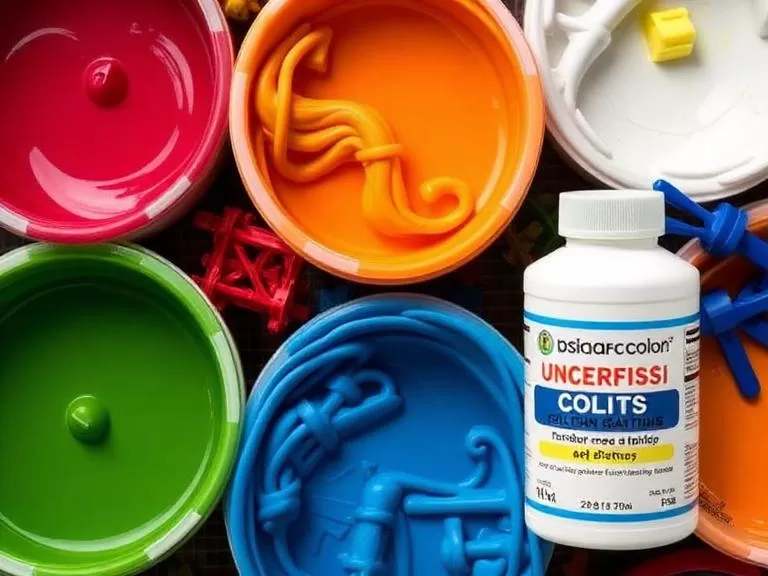
From our experience, the formulation of the Best color concentrates for plastics requires far more than simply mixing pigments with a carrier resin. It demands advanced machinery, meticulous quality control, and a deep understanding of polymer chemistry. Utilizing advanced twin screw machines from Germany and leveraging decades of experience in Masterbatch processing and pigment dispersion technology, we provide stable, high-quality color Masterbatch and creative functional Masterbatch solutions for our customers. In this comprehensive guide, we will outline the 5 Best color concentrates for plastics, examining their technical specifications, optimal applications, and how functional additives can elevate your plastic products to new performance standards.
Table of Contents
Understanding Pigment Dispersion in Plastics
Before we detail the Best color concentrates for plastics, it is crucial to understand the manufacturing mechanics that separate premium masterbatches from inferior alternatives. The primary challenge in plastics coloration is overcoming the natural tendency of pigment particles to agglomerate, or clump together. Poor dispersion leads to streaks, spots, reduced mechanical strength, and unacceptable color variations in the final molded or extruded product.
To combat this, Charming Masterbatch relies on advanced twin screw machines from Germany. These high-shear extruders ensure that the pigment aggregates are mechanically broken down into primary particles and homogeneously distributed within the polymer matrix. We recommend evaluating potential suppliers based on their compounding technology, as the Best color concentrates for plastics will always demonstrate superior dispersion capabilities. This translates to lower let-down ratios (the amount of masterbatch required to color the virgin resin), ultimately saving manufacturers money while maintaining opacity and vibrancy.
The 5 Best Color Concentrates for Plastics
Based on decades of industry application, rigorous laboratory testing, and successful client deployments across various continents, we have categorized the 5 Best color concentrates for plastics available in today’s advanced polymer market. These categories represent both pure aesthetic coloration and the integration of highly sought-after functional additives.
1. High-Performance Film / Plastic Color Masterbatch
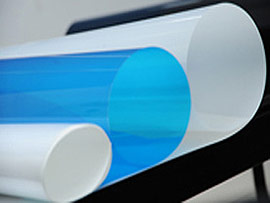
When manufacturing blown films, cast films, or injection-molded plastic components, visual consistency is paramount. The first on our list of the Best color concentrates for plastics is our dedicated Film / Plastic Masterbatch. In ultra-thin film applications, even microscopic pigment agglomerates can cause film tearing, bubble instability, or visual defects known as “fish eyes.”
From our experience, formulating the Best color concentrates for plastics in the film sector requires meticulously selected carrier resins that exhibit perfect compatibility with the base polymer (such as PE, PP, or PET). Our color masterbatches for films are engineered for high tinting strength and outstanding thermal stability. Whether you are producing agricultural films, food packaging, or retail carrier bags, we recommend these highly loaded pigment concentrates to achieve brilliant hues without compromising the tensile strength or elongation properties of the final film.
2. Precision Fiber / Filament / BCF / Nonwoven Concentrates
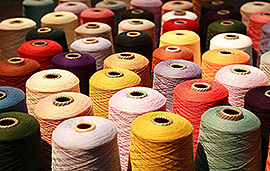
The textile and synthetic fiber industry imposes some of the most stringent requirements on colorants. Therefore, the second entry in our guide to the Best color concentrates for plastics focuses on our Fiber / Filament / BCF / Nonwoven Masterbatch. During the spinning process, synthetic fibers like polyester (PET) and polypropylene (PP) are drawn to microscopic diameters. Any impurity or undispersed pigment will immediately cause yarn breakage, leading to costly machine downtime.
We recommend our specialized fiber-grade masterbatches because they undergo exceptional filtration processes during our compounding stage. The Best color concentrates for plastics used in fiber spinning must possess excellent color fastness, resistance to migration, and the ability to withstand the high temperatures of the spin pack without degrading. Our formulations ensure that the vibrant colors locked into carpets, textiles, and nonwoven medical fabrics remain bright and consistent, regardless of harsh washing or friction.
3. UV Stabilizer Integrated Color Concentrates
Plastics deployed in outdoor environments—such as agricultural netting, stadium seating, and automotive exterior parts—face relentless degradation from ultraviolet radiation. The third essential category among the Best color concentrates for plastics is our combined color and UV stabilizer 功能母粒.
UV radiation causes photo-oxidation in polymers, leading to color fading, chalking, embrittlement, and eventual physical failure. From our experience, adding UV stabilizers as a separate additive on the manufacturing floor can lead to dosing inconsistencies. We recommend utilizing a combined masterbatch where high-grade lightfast pigments are perfectly co-dispersed with Hindered Amine Light Stabilizers (HALS) or UV absorbers. This synergy creates one of the Best color concentrates for plastics for outdoor use, guaranteeing that the vibrant color and the structural integrity of the polymer endure years of harsh sun exposure.
4. Flame Retardant Color Solutions
In industries such as electronics, construction, and aviation, strict safety regulations mandate the use of flame retardant materials. Formulating the Best color concentrates for plastics in these sectors is highly complex because traditional flame retardant additives (such as halogenated or intumescent systems) can interfere with pigment chemistry, leading to dull or shifted colors.
Charming Masterbatch has successfully engineered a line of Flame Retardant Functional Masterbatches that seamlessly integrate brilliant coloration with life-saving fire resistance. We recommend these specialized concentrates for manufacturers of electrical enclosures, wire and cable jacketing, and building insulation. By ensuring that the colorant and the flame retardant are perfectly compatible, we provide the Best color concentrates for plastics that pass stringent flammability standards (such as UL94 V-0) without sacrificing aesthetic appeal.
5. Antimicrobial and Antistatic Color Blends
Rounding out our list of the Best color concentrates for plastics are our highly advanced Antimicrobial and Antistatic functional blends. In medical devices, food processing equipment, and high-end consumer appliances, preventing bacterial growth and electrostatic discharge is critical.
Our Antimicrobial masterbatches utilize silver-ion or organic technologies perfectly dispersed alongside our colorants to proactively inhibit the growth of bacteria, fungi, and mold on the plastic surface. Simultaneously, our Antistatic masterbatches prevent the accumulation of static electricity, which attracts dust and can damage sensitive electronic components. From our experience, offering these dual-function masterbatches provides immense value to our clients, solidifying their status as the Best color concentrates for plastics for specialized, high-hygiene, and electronic packaging applications.
How We Recommend Selecting Your Color Concentrates
Identifying the Best color concentrates for plastics requires a collaborative approach between the manufacturer and the masterbatch supplier. We recommend that clients carefully evaluate the following parameters before committing to a formulation:
- Carrier Resin Compatibility: The carrier resin of the masterbatch must melt and flow identically to your bulk resin. An incompatible carrier will lead to delamination and poor physical properties.
- Processing Temperature: The pigments utilized must remain thermally stable at your specific processing temperatures. Overheating inferior pigments causes dramatic color shifts.
- End-Use Environment: If the product will be outdoors, UV stabilizers are mandatory. If it involves food contact, FDA or equivalent regulatory compliance must be verified.
- Let-Down Ratio (LDR): Calculate the cost-in-use. Sometimes, a slightly more expensive masterbatch with a highly concentrated, superior dispersion allows for a lower LDR, making it the most economical choice overall.
The Charming Masterbatch Advantage: Complete Technical Support
At Charming Masterbatch, we believe that providing the Best color concentrates for plastics goes far beyond the physical product. Not only products, Charming provides complete technical support service and individual development cooperation, which can help our customers solve practical problems and develop new projects with creative solutions.
When you encounter issues with color matching, opacity, or processing anomalies, our engineering team steps in. We are so proud that we can share our experience and technology with customers and grow up together. This commitment to collaborative innovation is why our masterbatches are trusted across 18 countries and markets worldwide.
Summary Table: Best Color Concentrates for Plastics
To assist our global clients in rapid decision-making, we have compiled a summary matrix detailing the core applications of the Best color concentrates for plastics discussed in this guide.
| Masterbatch Category | Key Characteristics | Ideal Applications | Charming Masterbatch Technology |
|---|---|---|---|
| Film / Plastic Color | High tinting strength, zero “fish eyes”, uniform opacity. | Packaging films, agricultural films, injection molded parts. | German twin-screw high-shear dispersion. |
| Fiber / Filament / BCF | Ultra-fine filtration, no yarn breakage, high color fastness. | Textiles, carpets, nonwoven medical fabrics. | Precision pigment milling and heat-stable carriers. |
| UV Stabilizer Color | Prevents photo-oxidation, fading, and embrittlement. | Stadium seating, outdoor furniture, automotive exteriors. | Synergistic blending of HALS and lightfast pigments. |
| Flame Retardant Color | Meets UL94 standards, maintains vibrant coloration. | Electrical enclosures, wire & cable, construction materials. | Non-interfering flame retardant chemistry. |
| Antimicrobial & Antistatic | Inhibits bacteria/mold, prevents dust accumulation and static shock. | Medical devices, food containers, electronic packaging. | Silver-ion and migrating antistatic agent integration. |
Frequently Asked Questions (FAQs)
From our experience, our superiority stems from our utilization of advanced twin screw machines from Germany, combined with decades of proprietary pigment dispersion technology. We ensure absolute consistency, high pigment loading, and provide complete technical support service to solve specific manufacturing challenges for our clients.
Yes. We highly recommend this approach. By combining color with functional additives like UV stabilizers, Flame Retardants, or Antimicrobial agents into a single masterbatch, we simplify your supply chain, reduce dosing errors on your factory floor, and ensure perfectly homogeneous distribution of all active ingredients in your final product.
Poor pigment dispersion results in visible specks, streaking, and an overall uneven color appearance. More importantly, large pigment agglomerates act as stress concentrators within the polymer matrix, significantly weakening the physical strength and impact resistance of the plastic part. Our Best color concentrates for plastics eliminate this risk entirely.
Yes. Charming Masterbatch is well known in the China market, and exports to Europe, South America, Southeast Asia, Middle East, North Africa, etc., serving about 18 countries and markets worldwide with our premium color and functional masterbatch solutions.
References
1. Society of Plastics Engineers (SPE). “Thermal Stability and Pigment Interaction in Polymer Coloration.”
2. International Journal of Polymer Science. “The Efficacy of Hindered Amine Light Stabilizers (HALS) in Outdoor Plastic Applications.”