
In the vast world of polymer science and plastic manufacturing, few components are as critical as the plasticizing additive. Without these essential chemical modifiers, many of the everyday items we rely on—from flexible medical tubing and electrical cables to resilient flooring and automotive interiors—would simply not exist in their current form. A plasticizing additive is a substance, typically a liquid, added to a polymer to increase its flexibility, workability, and distensibility. It transforms rigid, brittle materials into soft, pliable, and durable products.
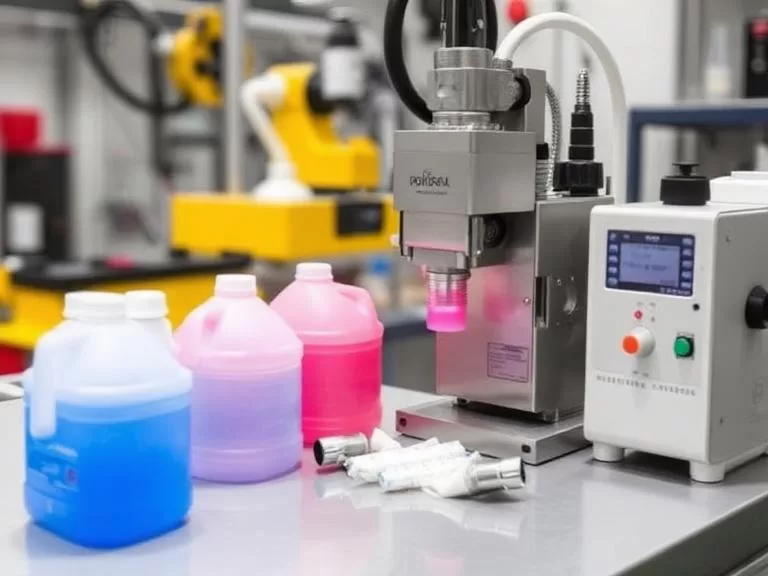
The global market for these additives is immense, driven by the ubiquity of Polyvinyl Chloride (PVC), the polymer that consumes the vast majority of plasticizers produced worldwide. However, the landscape of plasticization is changing. Environmental regulations, health concerns, and advancements in bio-based chemistry are reshaping what we consider to be a “common” plasticizing additive. This article delves deep into the chemistry, types, applications, and future trends of these vital industrial compounds.
- 1. Introduction to Plasticizing Additives
- 2. How Does a Plasticizing Additive Work?
- 3. Common Types of Plasticizing Additives
- 3.1. Phthalates: The Industry Standard
- 3.2. Adipates and Low-Temperature Performance
- 3.3. Bio-based and Green Plasticizers
- 4. Advanced Solutions: Charming Masterbatch
- 5. Major Applications in Industry
- 6. Safety, Health, and Regulations
- 7. How to Select the Right Plasticizing Additive
- 8. Summary Table
- 9. Frequently Asked Questions (FAQs)
- 10. References
1. Introduction to Plasticizing Additives
A plasticizing additive serves a fundamental role in material science: it lowers the glass transition temperature (Tg) of a polymer. By doing so, it transitions the material from a hard, glassy state to a soft, rubbery state at room temperature. This is particularly crucial for PVC, which in its pure form (uPVC) is rigid and brittle, used for applications like sewer pipes and window frames. To create flexible PVC (fPVC) for shower curtains, upholstery, or wire insulation, a plasticizing additive must be introduced.
While PVC is the primary beneficiary, plasticizers are also used in rubber formulations, paints, adhesives, and concrete. The effectiveness of a plasticizing additive is measured by its compatibility with the polymer, its efficiency (how much is needed to achieve desired flexibility), and its permanence (resistance to evaporation or migration).
2. How Does a Plasticizing Additive Work?
Understanding the mechanism of plasticization helps in selecting the right additive for specific needs. There are two primary theories that explain how a plasticizing additive functions within a polymer matrix:
The Lubricity Theory
According to this theory, the plasticizing additive acts as a lubricant between the polymer chains. As the plasticizer molecules intersperse themselves between the long polymer chains, they reduce the intermolecular friction. This allows the chains to slide past one another more easily when stress is applied, resulting in increased flexibility and reduced brittleness.
The Gel Theory
In the gel theory, the plasticization process involves the disruption of polymer-polymer interactions. In a rigid polymer like PVC, strong dipole-dipole attractions hold the chains tightly together. A plasticizing additive masks these attractive centers along the polymer chain. By inserting itself between the chains, the additive increases the “free volume” within the material, allowing for molecular rotation and movement. This internal solvation effect is what ultimately renders the plastic soft and pliable.
3. Common Types of Plasticizing Additives
There is no single universal plasticizing additive. Instead, a wide array of chemical families exists, each offering distinct properties regarding volatility, polarity, and temperature resistance. The choice of additive depends heavily on the end-use application.
3.1. Phthalates: The Industry Standard
Historically, phthalate esters have been the most common class of plasticizing additive due to their low cost, high efficiency, and excellent compatibility with PVC.
- DEHP (Di-2-ethylhexyl phthalate): Also known as DOP, this was the industry standard for decades. It offers a well-balanced performance profile. However, due to health concerns regarding reproductive toxicity, its use has been restricted in many regions, particularly for toys and medical devices.
- DINP (Diisononyl phthalate) & DIDP (Diisodecyl phthalate): These are high-molecular-weight phthalates. They have replaced DEHP in many general-purpose applications because they are less volatile and have a better safety profile, although they still face regulatory scrutiny.
3.2. Adipates and Low-Temperature Performance
When a product needs to remain flexible in freezing conditions, an adipate-based plasticizing additive is often chosen. The most common is DOA (Dioctyl adipate). Adipates provide exceptional low-temperature flexibility, making them ideal for food wrap films (cling film) and outdoor wire jacketing. However, they are more volatile than phthalates, meaning they can evaporate or migrate out of the plastic more easily over time.
3.3. Bio-based and Green Plasticizers
Sustainability trends have pushed for the development of the non-phthalate, bio-based plasticizing additive.
- Epoxidized Soybean Oil (ESBO): Derived from renewable soy, ESBO acts as both a secondary plasticizer and a heat stabilizer for PVC. It prevents the plastic from degrading and yellowing during high-temperature processing.
- Citrates: Such as ATBC (Acetyl tributyl citrate), are derived from citric acid. These are non-toxic and biodegradable, making them the preferred plasticizing additive for medical blood bags, food packaging, and children’s toys.
- DOTP (Dioctyl terephthalate): While chemically similar to phthalates, its structure is different enough (terephthalate vs. orthophthalate) that it does not exhibit the same toxicological profile. It has become a leading general-purpose non-phthalate alternative.
4. Advanced Solutions: Charming Masterbatch
While selecting the correct plasticizing additive is essential for flexibility, modern plastic manufacturing requires a holistic approach to performance. This includes color stability, UV resistance, and functional enhancements that work in harmony with the plasticized resin.
Charming Masterbatch: Your Partner in Polymer Excellence
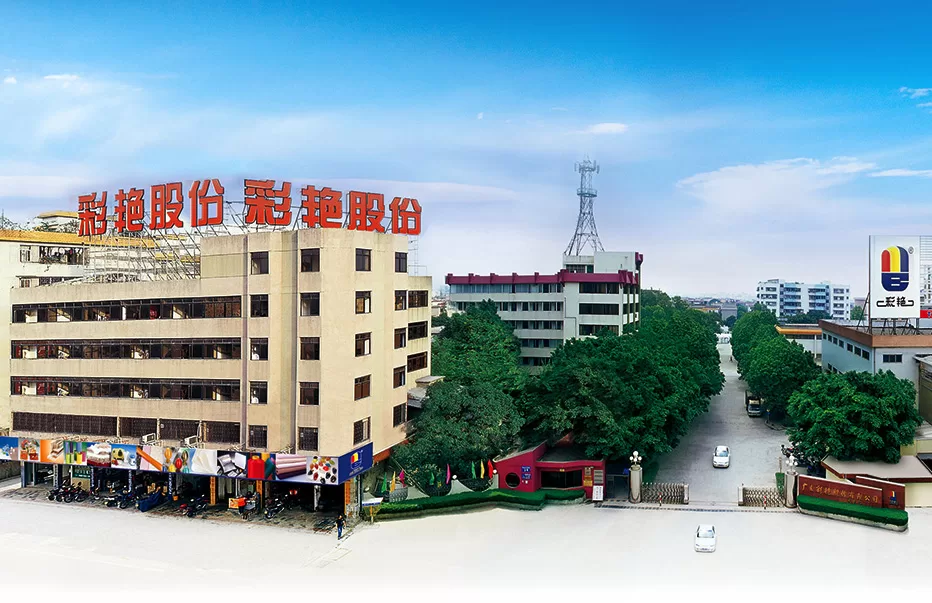
With advanced twin screw machines from Germany and decades of experience in Masterbatch processing and pigment dispersion technology, Charming provides stable high quality color Masterbatch and creative functional Masterbatch solutions for our customers.
Charming Masterbatch is well known in the China market, and exports to Europe, South America, Southeast Asia, the Middle East, North Africa, and about 18 countries and markets worldwide. Their expertise ensures that when you use a plasticizing additive to modify your polymer, the integrity of the color and functional properties remains uncompromised.
Not only providing products, Charming provides complete technical support service and individual development cooperation, which can help our customers solve practical problems and develop new projects with creative solutions. We are so proud that we can share our experience and technology with customers and grow up together.
Our Products:
Whether you are producing flexible PVC cables or agricultural films, combining the right plasticizing additive with Charming’s functional masterbatches ensures superior product lifecycle and performance.
5. Major Applications in Industry
The utility of a plasticizing additive spans across virtually every sector of the modern economy.
Wire and Cable Insulation
Electrical cables must be flexible enough to be routed through walls and conduits without cracking. High-molecular-weight phthalates or trimellitates (like TOTM) are used here because they resist high temperatures and do not degrade the electrical insulation properties of the PVC.
Flooring and Wall Coverings
Vinyl flooring is durable, easy to clean, and soft underfoot, thanks to plasticizers. In this application, the plasticizing additive must be low-volatile to prevent “fogging” (the release of chemicals into the air) and resistant to extraction by water or cleaning detergents. Benzoate esters are often used here for their stain resistance and durability.
Medical Devices
Flexible PVC is the material of choice for IV bags, blood bags, and medical tubing. Because these items come into direct contact with bodily fluids, the migration of the plasticizing additive is a major concern. Citrates and high-quality trimellitates are increasingly favored over DEHP in sensitive medical applications to ensure patient safety.
Automotive Interiors
The “new car smell” is partially the result of plasticizers outgassing from the dashboard and upholstery. Modern automotive manufacturing demands a plasticizing additive with extremely low volatility to reduce this fogging, which can obscure windshields and degrade air quality within the cabin.
6. Safety, Health, and Regulations
The safety of the plasticizing additive family, specifically phthalates, has been a subject of intense debate and research. Some low-molecular-weight phthalates like DEHP are classified as endocrine disruptors, potentially affecting the hormonal systems of mammals.
In response, regulatory bodies globally have taken action:
- REACH (Europe): The Registration, Evaluation, Authorisation and Restriction of Chemicals regulation has severely restricted the use of DEHP, DBP, and BBP in consumer products.
- CPSIA (USA): The Consumer Product Safety Improvement Act bans specific phthalates in children’s toys and childcare articles.
- RoHS: Restrictions on Hazardous Substances directive impacts electronics manufacturing.
These regulations have driven the industry toward DOTP, citrates, and bio-based alternatives. A modern plasticizing additive must not only perform well mechanically but also meet rigorous toxicological standards.
7. How to Select the Right Plasticizing Additive
Choosing the correct additive is a balancing act between performance, cost, and compliance. Engineers must consider:
- Compatibility: Does the additive mix well with the polymer without exuding (leaking) to the surface?
- Efficiency: How much additive is required to achieve the desired Shore A hardness?
- Performance Environment: Will the product be exposed to extreme cold (requiring adipates), high heat (requiring trimellitates), or outdoor UV radiation?
- Permanence: Will the additive remain in the matrix for the product’s lifespan, or will it migrate into food, water, or air?
- Regulatory Compliance: Does the product need to meet FDA food contact, USP medical class, or toy safety standards?
8. Summary Table
| Plasticizing Additive Class | Common Examples | Key Characteristics | Typical Applications |
|---|---|---|---|
| Phthalates (General Purpose) | DINP, DIDP, DOTP | Good balance of cost and performance; versatile. | Flooring, general tubing, wire jacketing. |
| Adipates (Low Temp) | DOA | Excellent flexibility at freezing temperatures. | Food wrap, outdoor cables, hoses. |
| Trimellitates (High Temp) | TOTM | Low volatility, high heat resistance. | High-temp wire insulation, automotive. |
| Epoxies (Stabilizing) | ESBO (Epoxidized Soybean Oil) | Bio-based, acts as heat stabilizer. | Food packaging, medical, stabilizer synergist. |
| Citrates (Green/Non-Toxic) | ATBC, TBC | Non-toxic, biodegradable, FDA approved. | Medical devices, children’s toys, food contact. |
| Benzoates | Dibenzoates | High solvency, stain resistance. | Flooring, caulks, adhesives. |
9. Frequently Asked Questions (FAQs)
Historically, DEHP (DOP) was the most common. Today, due to regulations, DINP, DIDP, and DOTP are the most commonly used general-purpose plasticizers for PVC.
No. While some older phthalates have health concerns, many modern plasticizers like citrates (derived from citrus), epoxidized vegetable oils, and high-molecular-weight phthalates are considered safe for their intended uses, including medical and food contact applications.
Yes, though PVC is the largest consumer. Plasticizers are also used in PVB (for safety glass), cellulosics, nylon, and certain rubbers to improve processability and flexibility.
Fogging is caused by the evaporation of volatile components, often the plasticizing additive, from the dashboard and upholstery when the car interior gets hot. Using low-volatility additives like trimellitates reduces this issue.
10. References
1. Wypych, G. (2017). Handbook of Plasticizers. ChemTec Publishing. A comprehensive guide to the chemistry and application of plasticizing additives.
2. European Council for Plasticisers and Intermediates (ECPI). (2024). Plasticisers Information Centre. Providing regulatory updates and scientific data on phthalates and alternatives.