
In the vast and complex world of material science and manufacturing, the term additive material has become a cornerstone of modern production. From the plastic casing of your smartphone to the fibers in your carpet, additives are the invisible heroes that define performance, durability, and aesthetics. But what exactly is an additive material? Why is it crucial for industries ranging from automotive to textiles?
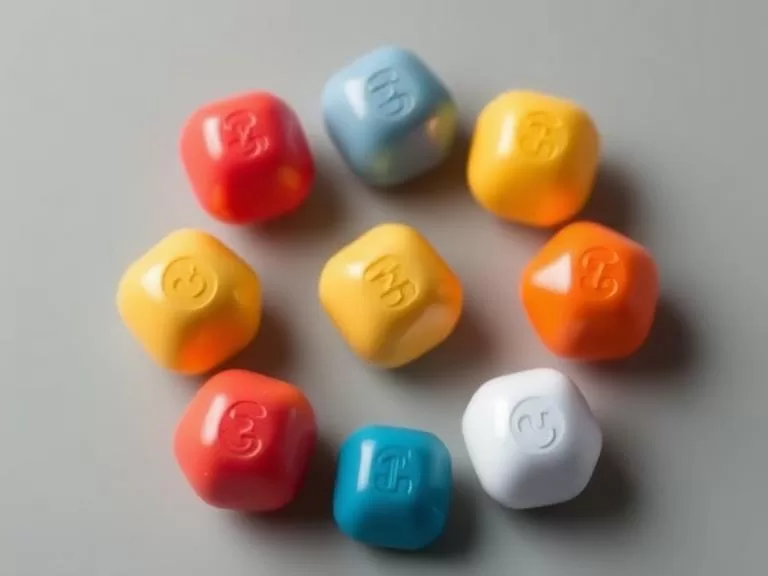
As we navigate through 2026, the definition has expanded. It no longer just refers to simple colorants but encompasses sophisticated functional agents that can make plastic antimicrobial, flame retardant, or UV resistant. This comprehensive guide will demystify the science behind these materials, explore their industrial applications, and highlight industry leaders like Charming Masterbatch who are pushing the boundaries of what these materials can achieve.
- 1. Definition: What is an Additive Material?
- 2. Core Categories of Additive Materials
- 3. The Role of Masterbatch in Additives
- 4. Industrial Applications and Use Cases
- 5. Industry Spotlight: Charming Masterbatch
- 6. Benefits of Using Advanced Additive Materials
- 7. Future Trends in Additive Manufacturing
- 8. Summary Comparison Table
- 9. Frequently Asked Questions (FAQs)
- 10. References
1. Definition: What is an Additive Material?
At its core, an additive material is a substance added to a base material—typically a polymer, resin, or metal—in relatively small quantities to modify its properties. These substances are not the primary structural component but act as modifiers to enhance performance, processing, or appearance.
Think of it like baking a cake. The flour is your base polymer (like Polypropylene or Polyethylene). The additive material is the baking powder that makes it rise, the vanilla extract that gives it flavor, or the food coloring that makes it visually appealing. Without these additives, the base polymer would be functional but limited in its capabilities—often brittle, susceptible to sun damage, or simply transparent and dull.
The Science of Modification
Additives work on a molecular level. Some, like plasticizers, fit between polymer chains to make the material more flexible. Others, like UV stabilizers, absorb harmful radiation to protect the chemical bonds of the plastic. The goal is always to engineer the material to meet specific end-use requirements without compromising its structural integrity.
2. Core Categories of Additive Materials
The landscape of additive material is vast, but it can generally be categorized into four main functional groups:
1. Property Modifiers
These change the mechanical or physical nature of the base material.
- Impact Modifiers: Make brittle plastics tough (e.g., car bumpers).
- Plasticizers: Make rigid plastics flexible (e.g., PVC pipes vs. PVC cables).
- Nucleating Agents: Speed up crystallization during cooling, improving stiffness.
2. Processing Aids
These help manufacturers shape the material more efficiently.
- Lubricants: Reduce friction during extrusion or molding.
- Antiblock Agents: Prevent plastic films from sticking together.
3. Stabilizers
These protect the material from environmental degradation.
- UV Stabilizers: Prevent cracking and chalking from sunlight exposure.
- Antioxidants: Prevent degradation during high-temperature processing.
- Flame Retardants: Inhibit or delay the spread of fire.
4. Aesthetic Additives
These focus purely on the visual appeal.
- Colorants (Pigments/Dyes): Provide specific colors or effects (pearlescent, metallic).
- Brighteners: Mask natural yellowing to make plastics look whiter.
3. The Role of Masterbatch in Additives
In the plastics industry, you rarely add raw additive powder directly to the machine. It is messy, inaccurate, and dangerous. Instead, the industry uses Masterbatch.
A Masterbatch is a concentrated mixture of pigments and/or additives encapsulated during a heat process into a carrier resin which is then cooled and cut into a granular shape. It serves as a delivery vehicle for the additive material.
Why Use Masterbatch?
- Dispersion: Ensures the additive is evenly spread throughout the final product.
- Cleanliness: Pellets are dust-free compared to raw powders.
- Accuracy: Easier to dose accurately in automated machines.
4. Industrial Applications and Use Cases
The versatility of additive material technology drives innovation across multiple sectors:
Textiles and Fibers
In the production of synthetic fibers (like polyester or nylon for clothing and carpets), additives are crucial. Color masterbatches provide vibrant, fade-resistant hues, while functional additives can make gym wear antimicrobial or carpets stain-resistant.
Packaging and Film
For food packaging, antiblock and slip additives ensure films open easily on high-speed lines. UV stabilizers protect the contents from sun damage, while antistatic agents prevent dust accumulation on shelf displays.
Automotive and Construction
Flame retardant additives are mandatory for automotive interiors to meet safety standards. In construction, UV stabilizers are essential for outdoor piping, siding, and roofing membranes to prevent them from becoming brittle and cracking after a few years of sun exposure.
5. Industry Spotlight: Charming Masterbatch
Charming Masterbatch: A Global Leader in Additive Solutions
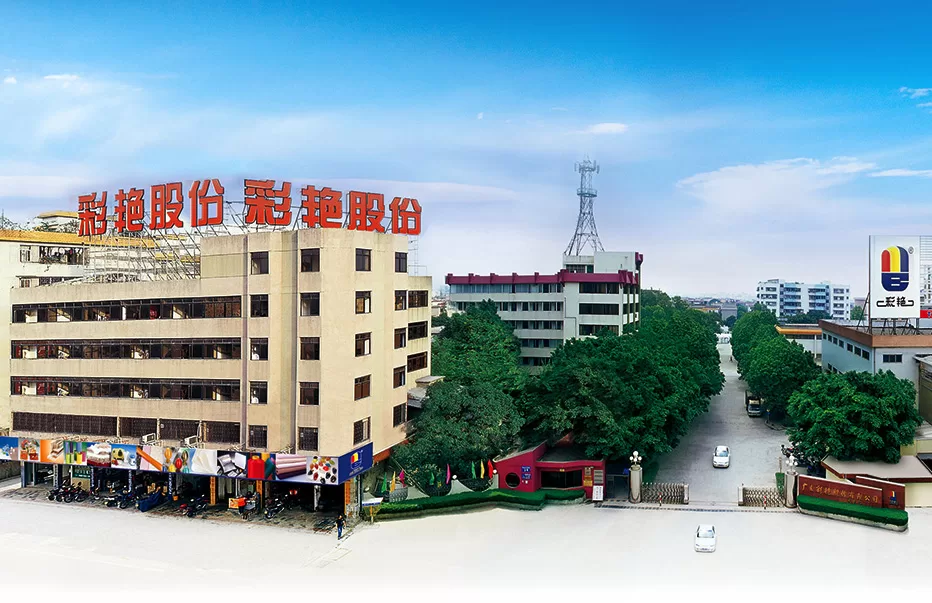
When sourcing high-quality additive material solutions, Charming stands out as a premier partner. With advanced twin screw machines from Germany and decades of experience in Masterbatch processing and pigment dispersion technology, Charming provides stable high-quality color Masterbatch and creative functional Masterbatch solutions for customers globally.
Charming Masterbatch is well known in the China market and exports to Europe, South America, Southeast Asia, the Middle East, and North Africa—serving about 18 countries and markets worldwide. Their success is built not just on products, but on providing complete technical support service and individual development cooperation. They help customers solve practical problems and develop new projects with creative solutions.
Featured Product Portfolio:
- 着色母粒:
- Fiber / Filament / BCF / Nonwoven: Specialized for the textile industry, ensuring color consistency in fine denier fibers.
- 薄膜 / 塑料: High-performance colorants for packaging and molding applications.
- 功能母粒:
- 抗菌防霉: Prevents bacterial and fungal growth on surfaces.
- 抗静电: Reduces static charge buildup, essential for electronics packaging.
- 阻燃剂: Critical safety additives that inhibit combustion.
- UV Stabilizer: Extends the life of outdoor plastic products by blocking harmful UV radiation.
我们乐于分享经验与技术,为客户创造价值,为此我们深感自豪。
6. Benefits of Using Advanced Additive Materials
Incorporating the right additive material into your manufacturing process offers tangible ROI:
- Extended Product Lifespan: UV stabilizers and antioxidants can double or triple the outdoor life of a product.
- Regulatory Compliance: Flame retardants and antimicrobial additives allow products to meet strict safety and health codes (e.g., FDA, UL, REACH).
- Cost Reduction: Processing aids like lubricants can speed up cycle times and reduce energy consumption during manufacturing.
- Market Differentiation: Unique colors or functional properties (like “odor-free” or “soft-touch”) can command a premium price in the consumer market.
7. Future Trends in Additive Manufacturing
As we look beyond 2026, the sector is evolving towards sustainability.
Bio-Based Additives
There is a massive push for additives derived from renewable resources rather than petrochemicals. This includes bio-based plasticizers and natural pigments.
Circular Economy Compatibility
Traditional additives can sometimes hinder recycling. The new generation of additive material is designed to be “recycling-friendly,” allowing plastics to be melted down and reused without degrading in quality. “Chain extenders” are a specific type of additive being used to repair the polymer chains of recycled plastic, restoring its strength.
Smart Additives
Research is underway on additives that change color to indicate the age of food packaging (freshness indicators) or thermochromic materials that warn when a surface is too hot to touch.
8. Summary Comparison Table
| Additive Category | Primary Function | Typical Application | Charming Solution |
|---|---|---|---|
| UV Stabilizer | Protect against sunlight degradation | Outdoor furniture, agricultural film | 功能母粒 |
| 阻燃剂 | Inhibit fire spread | Electronics, automotive interiors | 功能母粒 |
| 抗菌防霉 | Kill bacteria/fungi | Medical devices, food packaging | 功能母粒 |
| 抗静电 | Disperse static charge | Electronic packaging, flooring | 功能母粒 |
| 着色母粒 | Aesthetics & Branding | Textiles, consumer goods | Fiber/Film Color Series |