
In the modern plastics industry, the efficiency and quality of a final product depend heavily on how colorants and additives are introduced. The process of master batch production has evolved into a sophisticated science, blending advanced mechanical engineering with complex polymer chemistry. As global demand for high-performance materials grows, manufacturers are turning to more precise methods to ensure color consistency and functional integrity.
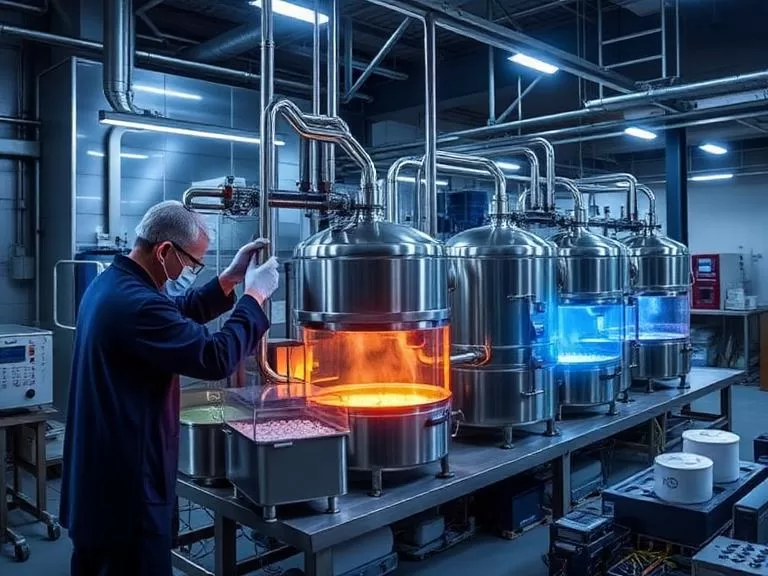
This article provides a deep dive into the process of master batch production, covering everything from raw material selection to the final pelletizing stage. We will also explore how leading companies like Charming use cutting-edge German technology to deliver stable, high-quality solutions to the global market.
Table of Contents
- What is Masterbatch? An Industry Overview
- Step 1: Selection of Raw Materials
- Step 2: Precise Weighing and Pre-Mixing
- Step 3: Compounding and Twin-Screw Extrusion
- Step 4: Cooling and Pelletizing Systems
- Step 5: Quality Control and Testing Standards
- Charming: Advanced Masterbatch Technology
- Summary Table of Production Stages
- Frequently Asked Questions
- References
What is Masterbatch? An Industry Overview
Masterbatch is a solid or liquid additive used for coloring plastics or imparting specific functional properties. It is essentially a concentrated mixture of pigments and additives encapsulated during a heat process into a carrier resin, which is then cooled and cut into a granular shape. The primary benefit of the process of master batch production is that it allows the processor to introduce these additives into the natural polymer economically and with high precision.
By 2026, the industry has moved significantly toward functional masterbatches. Beyond simple color, these concentrates now include antimicrobial agents, UV stabilizers, and flame retardants, all of which require specialized handling during the manufacturing cycle.
Step 1: Selection of Raw Materials
The first and perhaps most critical phase in the process of master batch production is the selection of ingredients. A typical masterbatch consists of three main components:
- Pigments or Additives: These provide the color or function. Pigments can be organic (vibrant but less heat stable) or inorganic (durable and heat resistant).
- Carrier Resin: The polymer that “carries” the pigment. It must be compatible with the final plastic product (e.g., PE, PP, or PET).
- Dispersing Agents & Processing Aids: These ensure the pigment doesn’t clump and flows smoothly through the machinery.
Step 2: Precise Weighing and Pre-Mixing
Accuracy is the cornerstone of the process of master batch production. Using automated gravimetric feeding systems, the raw materials are weighed according to a strictly controlled formula. Once weighed, they enter a high-speed mixer. This step ensures that every granule of carrier resin is coated with a uniform layer of pigment powder and additives before entering the melt phase.
Step 3: Compounding and Twin-Screw Extrusion
The heart of the process of master batch production is the extruder. Modern facilities use co-rotating twin-screw machines, often sourced from high-end manufacturers in Germany. These machines provide the high shear force necessary to break down pigment agglomerates and ensure a perfect dispersion within the polymer matrix.
As the mixture travels through the heated barrel, the twin screws knead and melt the materials. This ensures that the functional additives—such as antistatic or flame retardant agents—are distributed evenly at a molecular level.
Step 4: Cooling and Pelletizing Systems
Once the molten plastic exits the extruder die, it must be solidified and shaped. There are several methods used in the process of master batch production:
- Strand Pelletizing: The plastic is extruded into long strands, cooled in a water bath, and then cut by a rotating blade.
- Underwater Pelletizing: The plastic is cut immediately at the die face while submerged in water, resulting in perfectly spherical beads.
- Water-ring Pelletizing: A middle-ground solution often used for heat-sensitive materials.
Step 5: Quality Control and Testing Standards
No process of master batch production is complete without rigorous testing. In 2026, quality control involves more than just a visual check. Key tests include:
- Filter Pressure Value (FPV): Measures the quality of pigment dispersion.
- Melt Flow Index (MFI): Ensures the masterbatch will flow correctly in the customer’s machinery.
- Spectrophotometry: Checks for exact color matching against digital standards.
- Moisture Analysis: Prevents defects like bubbles or streaks in the final plastic part.
Charming: Advanced Masterbatch Technology
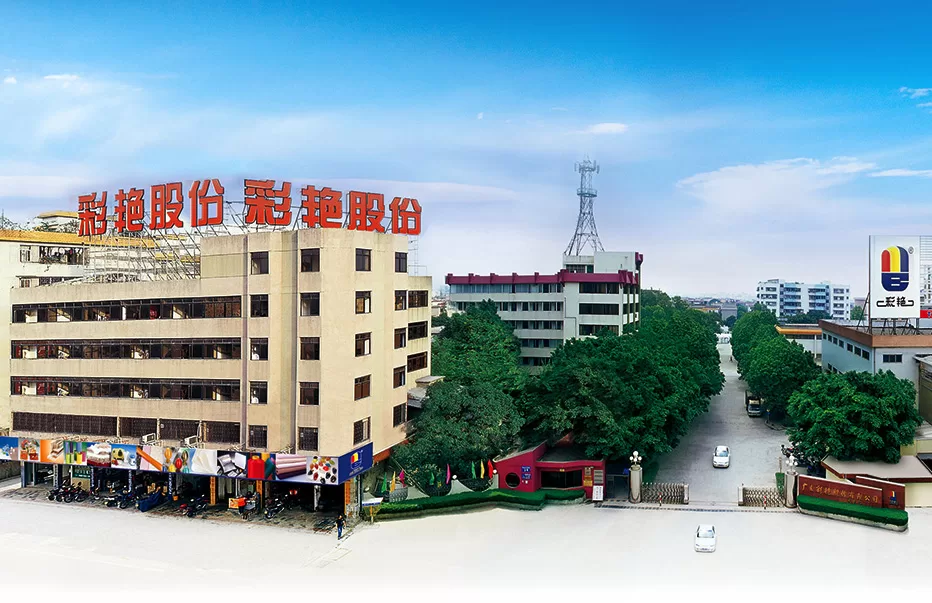
With advanced twin screw machines from Germany and decades of experience in Masterbatch processing and pigment dispersion technology, Charming provides stable high quality color Masterbatch and creative functional Masterbatch solutions for our customers. Charming Masterbatch is well known in the China market and exports to Europe, South America, Southeast Asia, Middle East, North Africa, etc., covering about 18 countries and markets worldwide.
Not only products, Charming provides complete technical support service and individual development cooperation, which can help our customers solve practical problems and develop new projects with creative solutions. We are so proud that we can share our experience and technology with customers and grow up together.
Charming Product Portfolio:
- 着色母粒: Optimized for Fiber, Filament, BCF, Nonwoven, Film, and general Plastic applications.
- 功能母粒: High-performance solutions including:
- Antimicrobial and Antistatic agents.
- Flame Retardant additives for safety compliance.
- UV stabilizers for outdoor durability.
Summary Table of Production Stages
| Stage | Description | Key Equipment |
|---|---|---|
| Formulation | Calculating pigment-to-carrier ratios | Laboratory Analysis |
| Dosing | Accurate weighing of raw materials | Gravimetric Feeders |
| Mixing | Uniform coating of resin with powder | High-speed Blenders |
| Extrusion | Melting and dispersive compounding | Twin-Screw Extruder |
| Pelletizing | Forming the final granular product | Underwater/Strand Cutter |
Frequently Asked Questions
References
- Polymer Processing Society: Developments in Twin-Screw Extrusion Technology (2025).
- Journal of Plastic Technology: Advanced Compounding for Functional Additives.