
Comprehensive Guide to the Vital Ingredients in Masterbatch
The plastic manufacturing industry relies heavily on the efficiency of concentrated additives and pigments to achieve specific aesthetic and functional results. Understanding the specific ingredients in masterbatch is essential for processors who aim to produce high-quality plastic products while maintaining cost-effectiveness. In this detailed guide, we explore the chemical and physical components that constitute modern masterbatch formulations, from carriers to active additives.
Table of Contents
- Introduction to Masterbatch Technology
- 1. The Carrier Polymer: The Foundation of Dispersion
- 2. Pigments and Dyes: Aesthetic Excellence
- 3. Functional Additives: Enhancing Performance
- 4. Dispersing Agents and Lubricants
- 5. Fillers and Extenders
- Manufacturing Synergy: Twin Screw Processing
- About Charming: Industry Leader in Masterbatch Solutions
- Summary Table of Ingredients
- Frequently Asked Questions
- Technical References
Introduction to Masterbatch Technology
A masterbatch is a solid or liquid additive used for coloring plastics or imparting functional properties to plastics. It is a concentrated mixture of pigments and additives encapsulated during a heat process into a carrier resin, which is then cooled and cut into a granular shape. The strategic combination of ingredients in masterbatch allows plastic processors to color raw polymer economically without dealing with messy powdered pigments. By 2026, the focus in masterbatch formulation has shifted toward high-performance dispersion and sustainable carrier systems.
1. The Carrier Polymer: The Foundation of Dispersion
The carrier resin is arguably the most critical among the ingredients in masterbatch. It serves as the medium that holds the concentrated pigments and additives. For a masterbatch to work effectively, the carrier polymer must be compatible with the base resin used in the final manufacturing process (injection molding, extrusion, etc.).
Common carrier polymers include:
- Polyethylene (PE): Widely used for its versatility and low cost, particularly in film applications.
- Polypropylene (PP): Essential for fiber, filament, and BCF (Bulked Continuous Filament) applications.
- Polystyrene (PS): Used for rigid packaging and consumer electronics.
- Ethylene-Vinyl Acetate (EVA): Often used as a universal carrier due to its low melting point and high compatibility.
The Melt Flow Index (MFI) of the carrier must be significantly higher than that of the base polymer to ensure that the ingredients in masterbatch disperse evenly during processing.
2. Pigments and Dyes: Aesthetic Excellence
Pigments represent the color-imparting portion of the ingredients in masterbatch. These are classified into organic and inorganic categories. Inorganic pigments, such as Titanium Dioxide (for white) and Carbon Black, are known for their opacity and heat stability. Organic pigments are typically used for brighter, more vivid colors but require sophisticated dispersion technology to prevent clumping.
When selecting pigments as ingredients in masterbatch, manufacturers like Charming consider factors such as lightfastness, weather resistance, and heat stability. This ensures that the final plastic product does not fade or degrade when exposed to sunlight or extreme processing temperatures.
3. Functional Additives: Enhancing Performance
Beyond color, modern plastics require functional improvements. Functional ingredients in masterbatch transform a standard plastic piece into a high-performance material. These include:
- UV Stabilizers: Prevent the polymer from becoming brittle and yellowing under UV radiation.
- Flame Retardants: Crucial for the electronics and defense industries to meet fire safety standards.
- Antistatic Agents: Prevent the buildup of static electricity on plastic surfaces, essential for packaging electronics.
- Antimicrobial Agents: Inhibit the growth of bacteria and fungi, vital for medical and food-contact plastics.
4. Dispersing Agents and Lubricants
Even with the best pigments, a masterbatch will fail without proper dispersion. Dispersing agents, such as waxes (Polyethylene wax or Zinc Stearate), act as surfactants to wet the pigment particles and prevent them from re-agglomerating. These ingredients in masterbatch ensure that the color is uniform and that there are no “specs” or streaks in the final product. Lubricants also help reduce friction in the extrusion barrel, improving the flow of the material and protecting the machinery.
5. Fillers and Extenders
In certain formulations, fillers like Calcium Carbonate or Talc are included. While often used to reduce costs, these ingredients in masterbatch also improve the stiffness, heat deflection temperature, and dimensional stability of the plastic. In the context of the film and plastic industries, fillers can also act as anti-blocking agents to prevent plastic films from sticking together.
Charming: Advanced Masterbatch Solutions
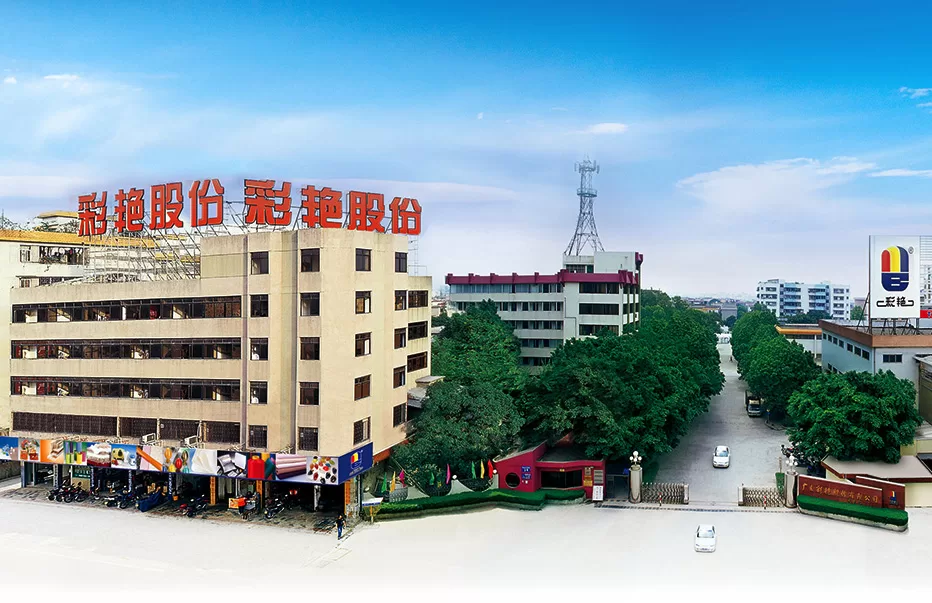
With advanced twin screw machines from Germany and decades of experience in Masterbatch processing and pigment dispersion technology, Charming provides stable high quality color Masterbatch and creative functional Masterbatch solutions for our customers.
Charming Masterbatch is well known in China market, and exports to Europe, South America, Southeast Asia, Middle East, North Africa etc about 18 countries and markets worldwide. Not only products, Charming provides complete technical support service and individual development cooperation, which can help our customers solve practical problems and develop new projects with creative solutions. We are so proud that we can share our experience and technology with customers and grow up together.
Our Product Portfolio:
Manufacturing Synergy: Twin Screw Processing
The way the ingredients in masterbatch are mixed is just as important as the ingredients themselves. Advanced twin screw machines provide the necessary shear force to break down pigment agglomerates into sub-micron sizes. This intense mixing is what allows Charming to provide masterbatch with exceptional color strength and consistency. The dispersion technology ensures that even at low let-down ratios, the final plastic achieves a perfect finish.
Summary Table of Ingredients
| Component Category | Typical Ingredients | Primary Function |
|---|---|---|
| Carrier Resin | PE, PP, PS, EVA | Binding medium and compatibility bridge |
| Colorants | Organic pigments, Inorganic pigments, Dyes | Imparting color and opacity |
| Dispersants | PE Wax, Stearates | Wetting pigments and preventing clumping |
| Functional Additives | UV absorbers, Antistats, Antimicrobials | Improving life-span and specialized properties |
| Fillers | Talc, CaCO3 | Cost reduction and structural enhancement |
Frequently Asked Questions
What is the ideal ratio of ingredients in masterbatch?
Typically, a high-quality color masterbatch contains 20% to 50% pigment, 40% to 70% carrier resin, and 5% to 10% additives and dispersants. However, this varies significantly based on the end application and the potency of the pigments used.
Why is the carrier resin so important?
The carrier resin ensures that the masterbatch “melts” into the base plastic. If the carrier is incompatible, it can cause structural weaknesses or surface defects like “orange peel” in the final product.
Do functional masterbatches change the color of the plastic?
Some additives might cause a slight haze or color shift. For example, some flame retardants are naturally opaque or off-white. This is why Charming provides combined color and functional masterbatch solutions to ensure the desired look is maintained.
What is the shelf life of masterbatch?
When stored in a cool, dry place away from direct sunlight, most masterbatches have a shelf life of 12 to 24 months. Proper storage prevents the carrier resin from oxidizing and the additives from migrating to the surface.
Technical References
- Polymer Processing Society. (2025). “Advancements in Pigment Dispersion Technology.”
- Journal of Plastic Film and Sheeting. “Compatibility of Universal Carrier Resins in Multi-layer Films.”